Are Wood Burning Stoves Efficient?
Rotherham Fireplace Centre|30 September, 2025
Different types of stoves and fireplaces each offer their own unique advantages. Alongside aesthetics and levels of flexibility, heat output and performance are among the biggest factors to consider when choosing a fireplace.
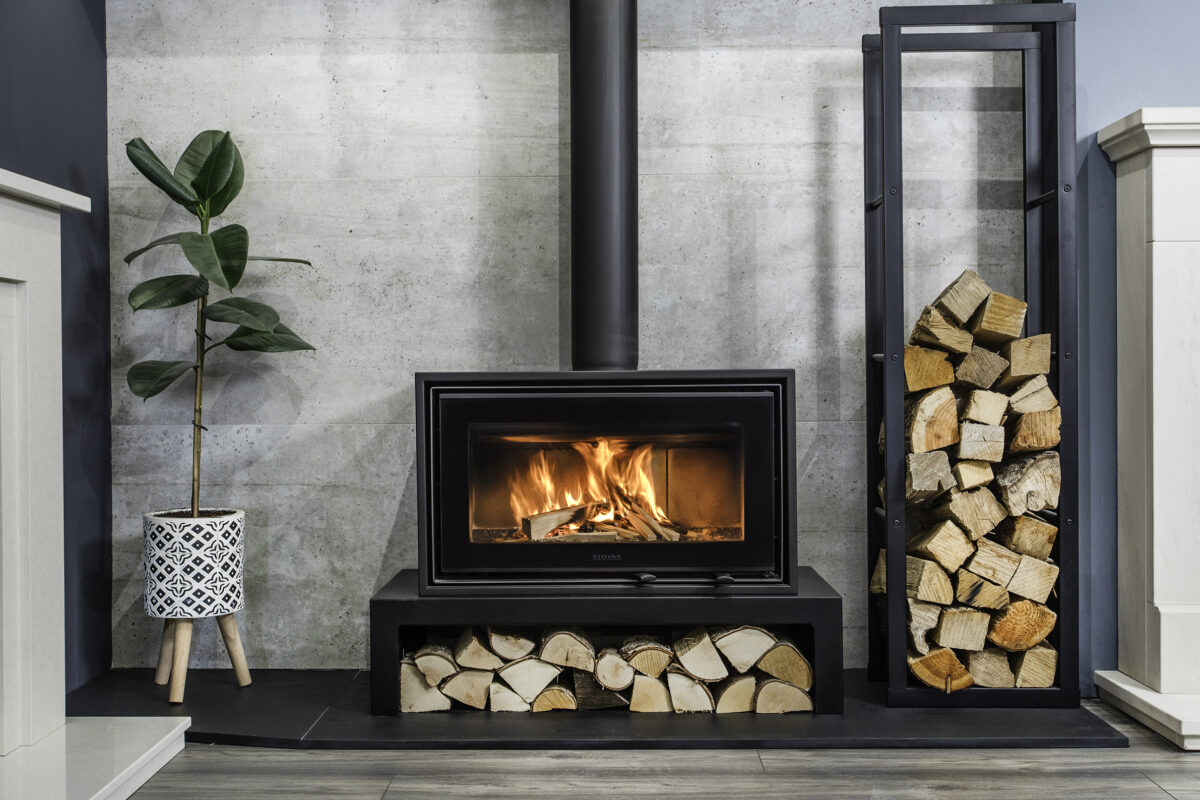
Wood burning stoves are a popular choice amongst property owners, thanks to their charming visuals and authentic feel.
But, can their performance compare with electric or gas fireplaces?
In this article, our fireplace experts have shared a quick guide to wood burning stoves, including a comparison of their efficiency against other options.
What does efficiency mean?
When choosing a stove or fireplace, you’ll hear the term ‘efficiency’ used a lot.
The efficiency of a stove or fireplace denotes how much of the wood’s energy is successfully converted to useful heat. It tells you how much of the heat from burning is used to heat the home, and how much of it is lost (either by going up the chimney, unconverted due to incomplete combustion, or is instead spent as emissions).
Typically, more modern stoves have much greater levels of efficiency than old open fireplaces. This is all down to improvements in their design, and compliance with stricter rules and regulations governing fireplace performance.
What can affect the efficiency of your stove?
It’s also important to consider the other factors that impact the efficiency of a stove.
After all, even the most efficient stoves can be hindered by ill-suited conditions.
The main factors that impact stove efficiency are:
- The quality of your fuel – Wooden fuel needs to have the right moisture content, should not be painted or chemically treated, and should be certified as “Ready to Burn”.
- Your operational habits – With best practice usage (e.g. how you feed the wood, the timing with which you refuel the fire, and how well you maintain air flow), you can ensure your stove is achieving maximum efficiency.
- How well you are maintaining the stove – Regular stove cleaning and maintenance is key to ensuring safe usage, and minimising the risk of wasted heat.
- Your stove’s compatibility with the space – You should choose your stove based on the size of the area that you are trying to heat. If your stove is too small, then it will be overworked, and if it’s too large, then energy will be wasted; with both situations representing costly inefficiencies.
- How well the room is insulated – If the room is not well-insulated, then much of the stove’s heat output will be lost to the property’s surroundings.
How efficient are modern wood burning stoves?
In most instances, modern wood burning stoves are very efficient.
In fact, many modern stoves boast a fuel efficiency of 80-90%.
To put this into comparison, modern electric fireplaces usually have a fuel efficiency of 100%, and gas fireplaces range from 70-90% efficiency.
So, if you are set on a traditional wood burning stove for your property, then you can easily find a unit that offers as much in terms of performance, as it does aesthetics.
However, it’s important to note that wood burning stoves can only achieve these high levels of efficiency under the right conditions.
This means choosing a stove that’s Ecodesign & DEFRA approved, using dry and certified fuel.
By looking for models that feature these regulatory standards, you can be confident that your unit uses clean burn technologies, smoke and other emissions are reduced, and minimal energy is wasted.
Choosing the right wood burning stove for your property
If you’re on the lookout for a modern, high performance wood burning stove, the Rotherham Fireplace Centre team is on hand to help.
We offer a huge variety of stoves, which are fully certified and compliant with the latest regulations.
Our expert team can also work with you, to help you identify a stove size that’s perfectly compatible with your property, recommend the best-fit layout, and even arrange a comprehensive maintenance schedule.
To find out more, speak to our team today.